The Light at the End of the Tunnel| Quiet Planet
Team Updates

| static public String[][] makeCard(ArrayList<String> x){ | |
| String[][] board = new String[4][4]; | |
| for(int i = 0; i<16; i++){ | |
| int index = (int) (Math.random() * x.size()); | |
| System.out.println(index); | |
| int row = i/4; | |
| int col = i%4; | |
| board[row][col] = x.get(index); | |
| x.remove(index); | |
| } | |
| return board; | |
| } |
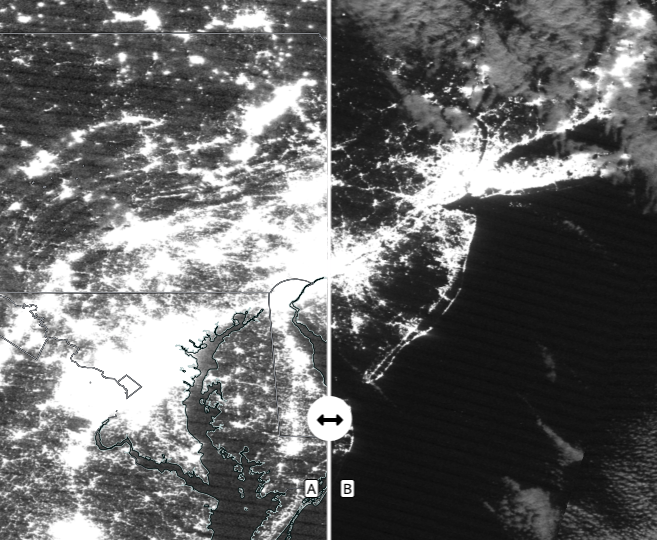
Lots of progress updates as we approach the end of our first night.
So far, we've found some really cool NASA data that seems to demonstrate our belief that light pollution has gotten way better during the COVID-19 pandemic due to decreased social activity (businesses, restaurants, etc. are either open to a limited extent or closed entirely). We've analyzed several regions in the US (more on that to come), and will be analyzing other regions affected by the pandemic globally to add an international aspect to our approach.
Our goal is to raise awareness about this improvement in order to maintain it as social distancing and lockdown requirements become looser. When there's no stars to see at night, it's hard for people to care; after all, the proverb "out of sight, out of mind" didn't arise for no reason. However, with light pollution at a low, visibility is at a high, and we hope to inspire people to use this opportunity to get invested in their beautiful night skies.
We've developed the idea for a star-based game, essentially "Bingo" for the night sky, that will allow people who are interested to play for a prize. Other companies with motivations not based in science have been very successful with this model - young people love to play games for prizes, especially when entry is free and easily accessible. This game would ideally raise awareness for initiatives to keep the night sky clear and reduce light pollution.
We'll be sharing some images and code shortly to show our work so far.